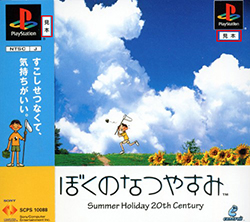
PlayStation [JP]https://vgcollect.com/browse/ps1jpItem NameThe game's title name can be found both sides of the spine. Depending on the release, the title's name found on the spines will be in Japanese, English romanization, English translation, or a combination. It is not uncommon for romanized titles to be romanized incorrectly; despite this, the "incorrect" title may still be entered into the Alt-name field.
Packaging TypesThere are at least five types of packaging used for items in this category:
1) standard jewel case
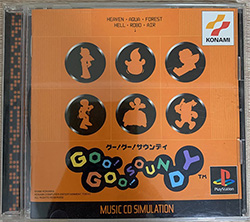
releases of this type are the only ones to feature instruction booklets that also act as front cover art, similar to NA releases
2) large case / dark ridged spine
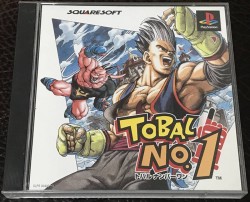
slightly larger in height than standard and double wide jewel cases
ridged black vertical strip along side of cover
unlike all other JP packaging, the game title is only present on one side
features black disc trays
3) large case / dark smooth spine
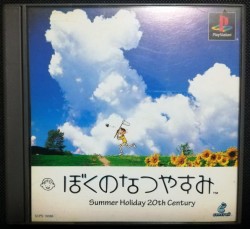
slightly larger in height than standard and double wide jewel cases
smooth black vertical strip along side of cover
"PlayStation" text embedded into top and bottom sides of case
contain paper print with outer-facing cover art and inner-facing "precautions for use" (使用上の注意) instructions
4) large case / translucent smooth spine
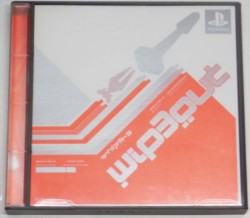
slightly larger in height than standard and double wide jewel cases
"PlayStation" text embedded into top and bottom sides of case
translucent vertical strip on side of cover
features interior art beneath the disc tray
5) double wide jewel case
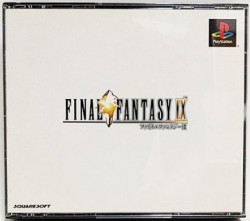
black or transparent disc tray which holds discs
same as double wide jewel cases for NA releases with ridged top and bottom sides and grooved opening on right side of case
Detailing the type of packaging may be submitted to the Description field.
Re-releasesWhile there are many subset lines of re-releases, there are 2 main lines.
PlayStation the Best / PlayStation the Best for Family
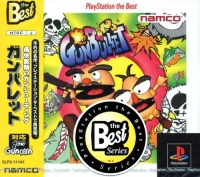
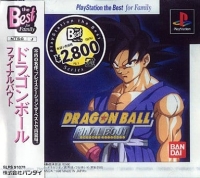
It should be noted that many items of the above release lines feature labels only found outside of sealed copies.
PSone Books
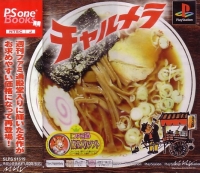
For some PSone Books releases, the item is newly sealed without back art.
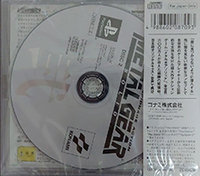 Labels
A myriad of types of labels exist outside of sealed items, but there are two sets which were used more broadly across the region's library: LS and PS.
LS
In order below, with example entries:
LS-3,
LS-4,
LS-5,
LS-7,
LS-8,
LS-9,
LS-10,
LS-12,
LS-13,
LS-14,
LS-15,
LS-16,
LS-17,
LS-18,
LS-19,
LS-25,
LS-28,
LS-29


PS
In order below, with example entries:
PS-1,
PS-7,
PS-8,
PS-9,
PS-11,
PS-14,
PS-15,
PS-20,
PS-22,
PS-23,
PS-25,
PS-26,
PS-28,
PS-29,
PS-31,
PS-36


There are numerous Weekly ファミ通 labels, some which are neither LS or PS. Instead, some feature the specific game title's Sony serial number or no number at all. They all share the same design and text and are otherwise identical. All six types are below:


For some items, the PS-1 label is instead substituted for cover text printed directly onto the front inlay.
ObiEvery retail release includes an obi beneath the plastic seal along the left side of the game case.
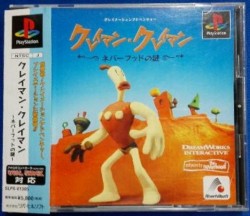
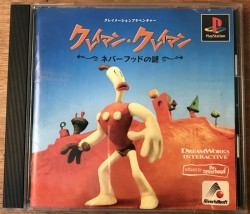
Although rare, it may be packaged oppositely along the right side.
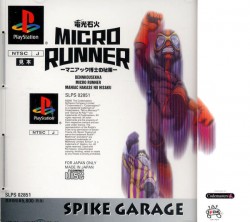
Because the obi is the outer most layer of packaging apart from plastic sealing, images featuring the obi are given priority over images that do not include the obi.
Edition NamesAn edition name should be a romanization of the original Japanese edition name. Translations can be put into alt-name. For example, if the text on the packaging is 限定版, then the term "genteiban" should be used. If the item has an edition name in English, then those words can be used.
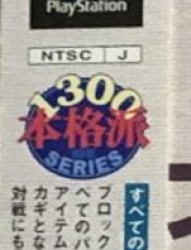
At times, the obi or label text may be present to help differentiate the item's edition.
 Rating
Most items do not have any rating. However, later titles released do include a CERO rating. The location of the rating varies.
Item NumberThe Sony serial number located on the spine and obi is the information that should be included in the Item Number field for the entry. Item numbers follow the LLLL NNNNN format (L=Letter, N=Number), including demos and non-retail releases. This item number is to be entered in the Item Number field with the LLLL-NNNNN format, which includes a hyphen (-), even if the hyphen is not physically present. The Sony serial is located on the spine, back cover, front cover, disc, instruction booklet, and other included print materials. Every PlayStation release has a Sony serial which takes precedence in occupying the Item Number field, so other numbers should be entered into the Description field.
Item Number Prefixes
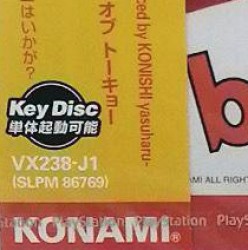
ESPMPBPXPTPXPUPXSCPSSCZCSIPSSLPMSLPSPublisher Serial NumberSeveral publishers such as Konami and Taito feature additional item numbers on game packaging and disc. These numbers are featured in conjunction with the standard PlayStation serial item number. Placement for these additional item numbers may be present on any combination of obi, spine, front cover, back cover, disc, instruction booklet, and other included components.
 Bandai Serial Number
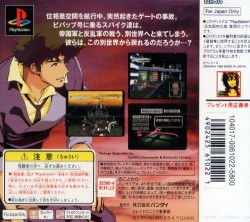
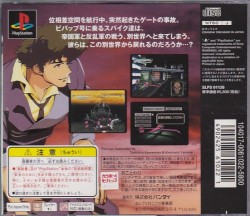
The only publisher as an outlier to the above statement is Bandai/Banpresto and their subsidiary publishing companies. Bandai serials are placed above the barcode on the back side to the jewel case and also the same area on item's obi while adhering to a 104017-NNNNNN-NNNN format, with the last four digits being the item's retail pricing.
 JASRAC Number
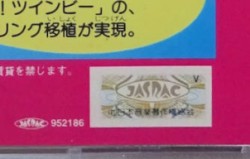
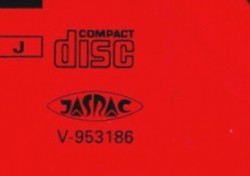
A corresponding JASRAC (Japanese Society for Rights of Authors, Composers and Publishers) item number may be featured on the back cover packaging and disc. This number may be included in the Description field. An accompanying JASRAC label may also be present.
 Barcode
Some items feature a T preceding the JAN barcode sequence. Only the digit sequence should be submitted.
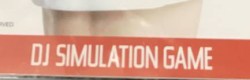
GenreSome releases feature a genre name on the front cover art and disc. This name can be in either English or Japanese text.
 Instruction Booklet
Aside from the standard jewel case packaging, the instruction booklet is bundled inside the game case and is not featured prominently as front cover art.
Stock ArtIt is common to find stock art online. The easiest way to determine if an image is stock art by "見本" text present. Stock art should be avoided if possible when submitting images.